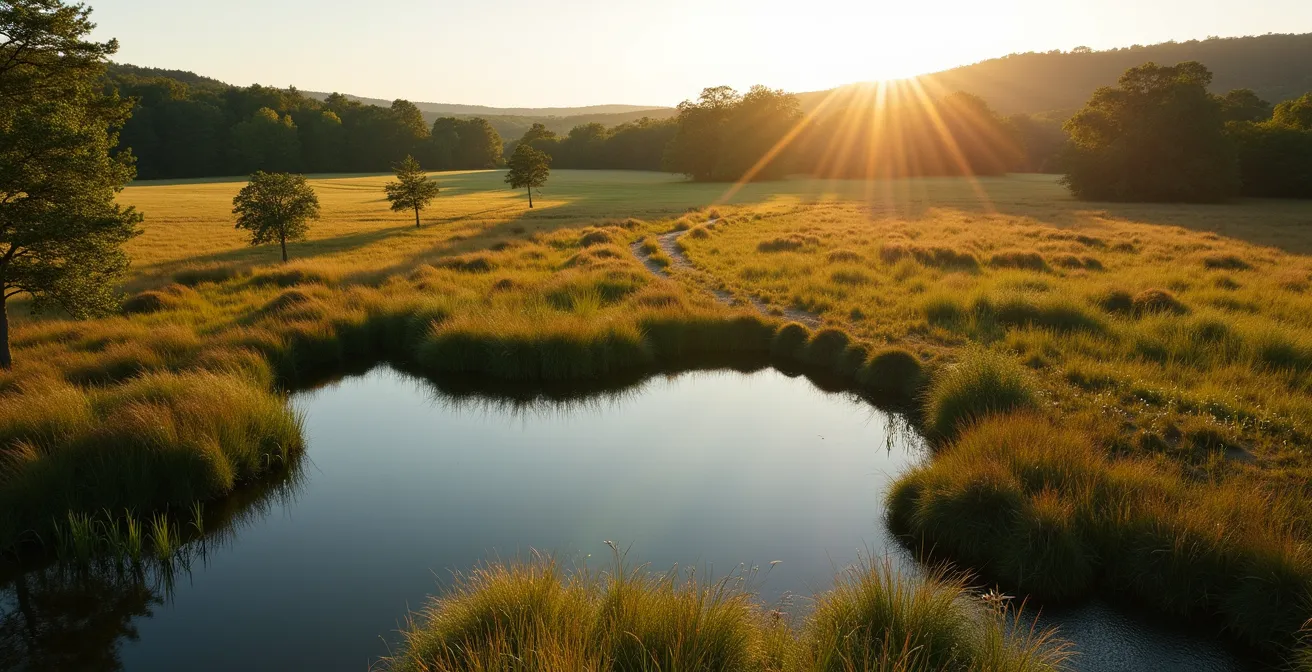
The key to successful rewilding is not neglect, but ecological diplomacy—a managed process that balances nature’s needs with community expectations.
- Intentional design, like mosaic mowing and permeable fences, signals care and prevents perceptions of “blight.”
- Addressing invasive species and restoring water systems first builds a resilient foundation and demonstrates responsible land stewardship.
- Choosing locally native plants and creating diverse habitats provides quantifiable ecological benefits that can be shared with skeptical neighbors.
Recommendation: Begin by creating a site plan that incorporates “cues of care”—like mown borders and informational signs—to frame your project as a thoughtful contribution, not an abandoned lot.
For the landowner with ten acres of possibility, the call to rewild is a powerful one. It’s a vision of returning a slice of the world to its natural state, alive with the hum of native bees, the flutter of birds, and the quiet resilience of a self-sustaining ecosystem. Yet, this ecological dream often collides with a stark reality: the concerned glances of neighbors, the neatly printed violation notices from a zoning board, and the fear of your beautiful habitat being labeled as nothing more than a “mess.”
The common advice often feels too simplistic. “Just stop mowing,” they say, or “scatter some wildflower seeds.” This approach frequently backfires, leading to a surge of invasive species, a chaotic appearance that invites criticism, and missed opportunities for true ecological restoration. It fails to address the central challenge for the modern rewilder: navigating the complex social and regulatory landscape that surrounds your property lines. The real work of rewilding is not just about letting go; it’s about thoughtful, active stewardship.
But what if the solution wasn’t to choose between a sterile lawn and a “wild” mess? What if the most effective approach was rooted in ecological diplomacy? This guide is built on that principle: that successful rewilding is an act of intentional design. It’s about making scientifically-informed choices that not only restore habitat but are also “legible” to your community—demonstrating care, purpose, and benefit. It is about creating a landscape that is both an ecological haven and a good neighbor.
This article will guide you through the strategic decisions that make this balance possible. We will explore how to manage water and invasive species as foundational acts of stewardship, select plants that genuinely support local wildlife, design boundaries that are both beautiful and permeable, and implement maintenance routines that create biodiversity instead of monoculture. We will also look at the data, from monitoring techniques to the compelling economic case for native meadows.
Summary: A Diplomatic Guide to Rewilding Your Land
- Why Introducing Beavers (or Mimics) Restores Water Tables Faster?
- How to Remove Kudzu Without Using Glyphosate?
- Wildflower Mix A or B: Which Actually Supports Local Native Bees?
- The Fencing Mistake That Gets Rewilding Projects Cited as “Blight”
- When to Mow: The One-Cut Method for Meadow Diversity
- Why Native Meadows Cost 60% Less to Maintain Than Turf Grass?
- Satellite or Drone Imagery: Which Is Better for Early Disease Detection?
- How to Convert Corporate Lawns into Pollinator Habitats to Boost CSR?
Why Introducing Beavers (or Mimics) Restores Water Tables Faster?
Before planting a single seed, the most impactful action you can take is to look at water. On any landscape, water is life, and its management is the foundation of a resilient ecosystem. The fastest way to restore a degraded plot is to slow water down and encourage it to stay. Nature’s master engineers for this task are beavers, whose dams create complex wetlands, recharge groundwater, and build drought and fire resistance. While reintroducing beavers themselves may be unfeasible on ten acres, mimicking their function is a powerful and achievable first step in hydrological diplomacy.
By creating structures that hold water on the land, you are not just building habitat; you are providing a service. You are rehydrating your soil, supporting plant life through dry spells, and potentially reducing stormwater runoff that affects downstream neighbors. This act transforms your private project into a public good. For example, large-scale projects have successfully used other large herbivores to achieve similar results.
Case Study: Somerleyton Estate’s Use of Water Buffalo as Ecosystem Engineers
Facing a similar challenge of restoring wetland conditions, the Somerleyton Estate in the UK introduced water buffalo. These animals act as “ecosystem engineers,” creating wallows and disturbing the soil in ways that create varied, wet habitats much like those formed by beavers. Their grazing and trampling open up dense vegetation, allowing a mosaic of ponds and marshland to develop, demonstrating that the *function* of an ecosystem engineer can be replicated even if the original species is absent.
You can begin this process by observing your land. Take note of where water collects after rain and which areas dry out first. This assessment will reveal the optimal locations for small-scale water retention features. These can be as simple as “one-rock dams” in small gullies or shallow swales on contour lines that allow rainwater to pause and sink into the ground, replenishing the very water table your project will depend on. This slow, underground water movement is what will sustain your plants through the driest summer months.
How to Remove Kudzu Without Using Glyphosate?
A rewilding project that allows aggressive, non-native species to flourish is not restoring an ecosystem; it is simply trading one type of monoculture for another. One of the most critical acts of diplomatic land management is to proactively control invasive plants like kudzu. Tackling these species demonstrates responsibility and care, directly countering the “neglect” narrative. While chemical herbicides like glyphosate are often seen as the only option, integrated, non-chemical strategies have proven highly effective and align better with ecological goals.
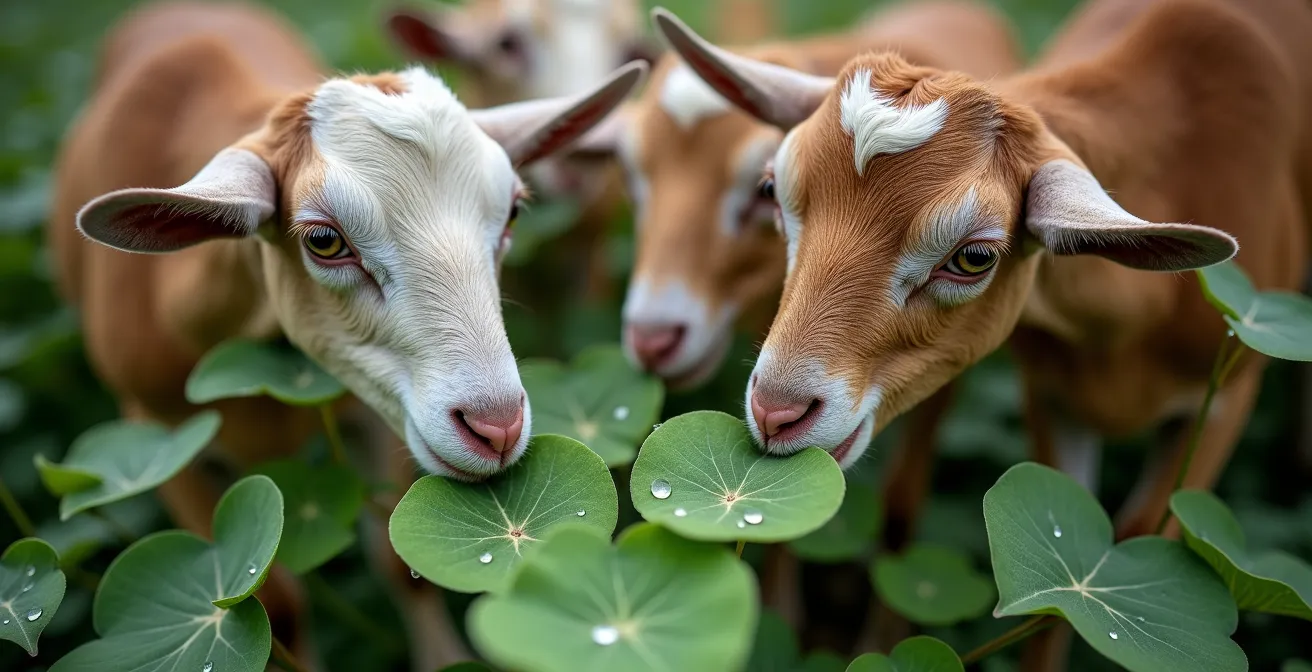
The key to glyphosate-free control is persistence and a multi-pronged attack that depletes the plant’s energy reserves over time. For small, new patches, the most direct method is mechanical: persistent hand-pulling and, crucially, digging out and removing the root crowns. In areas that are safely mowable, a relentless mowing schedule from May through October for several years will eventually exhaust and kill the kudzu. For larger infestations, nature provides its own solution: goats. Their persistent grazing during the growing season is a highly effective way to control large swaths of kudzu, turning a problem into forage.
Research from the USDA confirms that organic approaches can be remarkably successful. One study showed that an integrated strategy involving a bioherbicide application, mowing, and revegetation with native plants resulted in a 91% kill rate for kudzu after one year and 95% after two. This data provides a powerful counter-argument to those who insist on chemical dependency. A strategic approach often starts at the perimeter, holding the line with mowing or hand-pulling to prevent further spread, then working inward toward the center of the infestation each year.
Wildflower Mix A or B: Which Actually Supports Local Native Bees?
Once the foundational issues of water and invasives are addressed, the joyful task of planting can begin. However, the goal is not just to create a pretty picture, but a functioning food web. The generic “wildflower mix” from a big-box store is often a poor choice. These mixes frequently contain non-native species or aggressive cultivars that offer little to no value to local pollinators and can even outcompete more beneficial plants. True ecological support comes from understanding and meeting the specific needs of your local native bee populations.
Different bees have different requirements for nesting and foraging. A truly effective pollinator habitat is not just a field of flowers, but a multi-layered environment that provides for the entire life cycle of various species. Your plant selection should be guided by creating this structural diversity. As Paul Cox from Mossy Earth demonstrated in his garden rewilding project, the process involves selecting a variety of plants to support different pollinators and then observing what thrives naturally. This observational approach ensures that what you create is resilient and adapted to your specific site.
To move beyond generic mixes, you must think like a bee. Ground-nesting bees, which make up a majority of native species, need patches of bare, unmulched earth to dig their nests. Cavity-nesting bees require hollow stems or old dead wood. Providing these elements is just as important as planting flowers. The following table breaks down how to cater to different bee species, transforming your land from a simple flower patch into a comprehensive pollinator sanctuary.
| Bee Type | Habitat Requirement | Implementation Method |
|---|---|---|
| Ground-nesting bees | Bare earth patches | Leave unmulched areas between plantings |
| Cavity-nesting bees | Hollow stems & dead wood | Install dead branches and leave pithy-stemmed plants standing |
| Generalist pollinators | Continuous bloom succession | Plant species with staggered flowering from spring to fall |
| Specialist bees | Specific native host plants | Research and include regional endemic species |
The Fencing Mistake That Gets Rewilding Projects Cited as “Blight”
Perhaps no single element causes more friction with neighbors and zoning boards than boundaries. A rusty, collapsing fence or an unmanaged edge abutting a manicured lawn is often the spark that ignites a “blight” complaint. The critical mistake is viewing fences and borders purely as barriers. In a rewilding context, they must be designed as permeable membranes and visual cues of care, managing both wildlife movement and human perception.
Wildlife, from hedgehogs to deer, needs to move across landscapes to find food, mates, and new territory. Solid fences and vast, exposed areas like short-grass lawns or concrete driveways are dangerous barriers that fragment habitats. Animals will avoid these spaces where they are easily spotted by predators. The diplomatic solution is to create “wildlife highways” or corridors. Planting native hedges instead of installing fences, leaving small gaps at the bottom of existing fences, or letting grass grow tall along property lines can provide the safe passage small mammals need to move freely.
Even on large scales, boundary design is key. The Somerleyton Estate, for instance, secured funding for a massive 6.5-mile ring-fence designed to keep their grazing stock in while still allowing wild deer to come and go. This principle of selective permeability is vital. However, for a 10-acre plot, the most important function of the boundary is social. A mown strip of grass along the border of a wildflower meadow doesn’t detract from its ecological value; it enhances its social value. It signals to observers that the space is intentionally managed, not simply abandoned. This concept of “landscape legibility” is your most powerful tool in preventing conflict.
Action Plan: Designing a Socially-Acceptable Rewilding Boundary
- Points of contact: Identify all shared property lines, visible sightlines from neighbor windows, and public-facing edges like roads or sidewalks.
- Collecte: Inventory existing boundary markers (fences, hedges) and potential “blight” hotspots like brush piles or dead trees near property lines.
- Cohérence: Compare your rewilding plan to local ordinances on setbacks, “noxious weeds,” and property maintenance. Frame your project as “managed habitat,” not neglect.
- Mémorabilité/émotion: Create “cues of care.” Install a small, neat sign explaining the project (“Pollinator Habitat in Progress”). Maintain a mown edge or path along the boundary to signal intention.
- Plan d’intégration: Proactively communicate with neighbors, sharing the benefits (fewer chemicals, more birds) and your plan for maintaining a tidy appearance at the edges.
When to Mow: The One-Cut Method for Meadow Diversity
The “just stop mowing” mantra is a common oversimplification. In many ecosystems, abandoning mowing entirely will simply lead to a tangle of aggressive weeds or a slow succession into a thicket of scrub. The alternative isn’t a return to the weekly lawnmower routine, but a strategic, minimal mowing regimen designed to maximize biodiversity. This is where the “one-cut method,” more accurately described as mosaic or rotational mowing, becomes a key management tool.
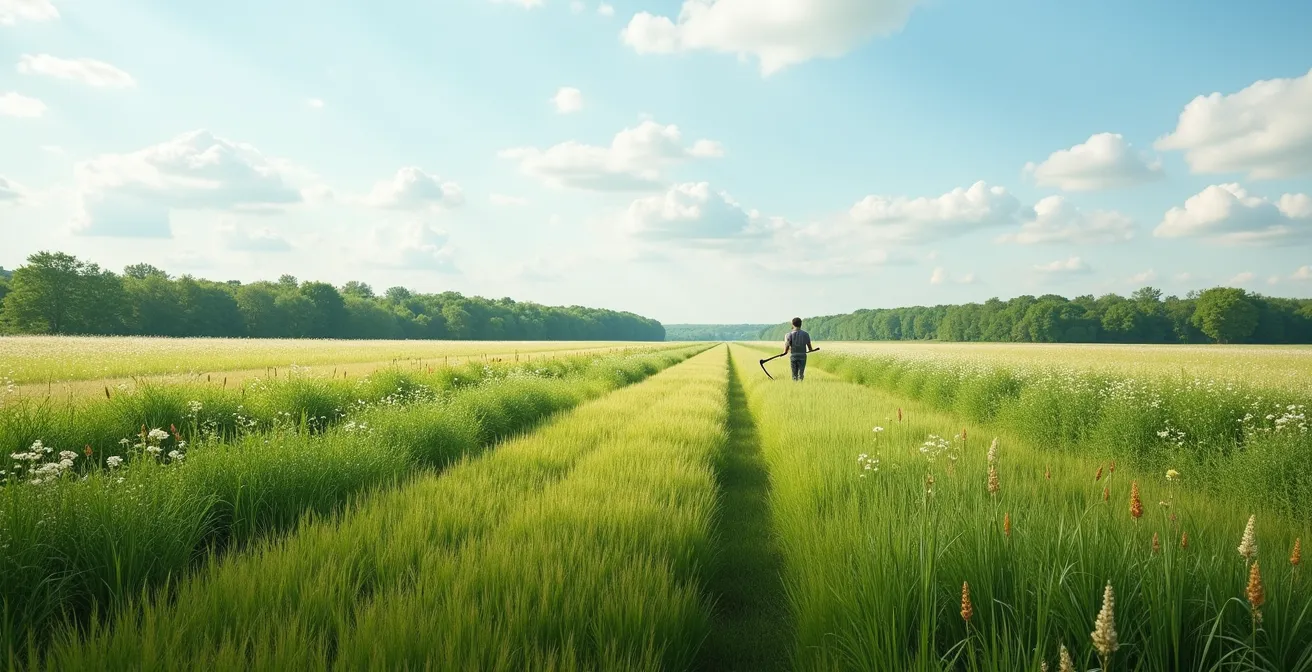
The goal is to create a patchwork of different habitats and vegetation heights. Biodiversity thrives at the edges where different habitats meet. By dividing your meadow into zones and mowing them on different schedules, you create a dynamic mosaic that provides resources for a wider range of species. For example, you might divide a field into three sections: mow one section in late summer, leave the second section standing through the winter for seed heads and insect shelter, and mow the third section the following spring. This rotation ensures that there is always food and cover available.
This technique mimics natural disturbances and successional stages. At a small scale, this can be managed easily, creating patches of different vegetation heights. On a larger scale, it can emulate the effects of grazing animals, creating a complex wood pasture environment. The visual effect is one of aesthetic functionality; the varied patterns are not only beautiful but are visibly purposeful, providing a refuge for wildlife. When planning your mosaic, consider connectivity. If your plot sits between two existing woodlands, allowing a corridor to grow up into trees could be an incredible boon for biodiversity by creating an essential pathway for animal and seed dispersal across the landscape.
Why Native Meadows Cost 60% Less to Maintain Than Turf Grass?
One of the most persuasive arguments for rewilding—especially to skeptical neighbors, homeowners’ associations, or municipal boards—is economic. The meticulously manicured turf grass lawn is a resource-intensive liability. A native meadow, by contrast, is a low-input asset. While the exact savings vary, the principles are universal: working with nature is profoundly more efficient than working against it. The urgency for this shift is underscored by grim ecological data; a WWF report indicates a 68% decline in global species population sizes from 1970-2016, making the case for habitat restoration both moral and economic.
The cost savings of a native meadow over turf grass stem from four key areas. Once established, a meadow built with plants adapted to your local climate and soil requires significantly less intervention. This translates directly into savings of time, money, and labor, making it a fiscally responsible choice for landowners.
This stark contrast in maintenance requirements provides a powerful, data-driven argument. Framing your project in terms of reduced water usage, chemical runoff, and fossil fuel consumption can resonate strongly with a community’s environmental and financial goals. The following table provides a clear comparison that can be a valuable tool in your diplomatic toolkit.
| Maintenance Aspect | Turf Grass | Native Meadow |
|---|---|---|
| Water Requirements | Regular irrigation needed | Native plants require less water |
| Fertilizer Use | Regular applications | Require less fertilizer than non-native species |
| Pest Management | Chemical pesticides often needed | More resistant to local pests and diseases |
| Mowing Frequency | Weekly during growing season | Once or twice annually |
Satellite or Drone Imagery: Which Is Better for Early Disease Detection?
A rewilding project is a dynamic, living experiment. Monitoring its progress is essential not only for adapting your management strategy but also for proving its success to stakeholders. Gone are the days of relying solely on casual observation. Today, technology like satellite and drone imagery gives landowners powerful tools to track changes in habitat, detect problems early, and quantify ecological uplift. The choice between them depends on the scale and detail of the information you need.
Satellite imagery is best for macro-level analysis. It excels at tracking broad changes over time, such as the overall progression from grassland to scrub to woodland. It’s invaluable for monitoring the expansion of habitat mosaics and assessing the connectivity of your plot to the wider landscape. You can see how wildlife corridors are developing and how water cover changes seasonally. For a 10-acre plot, publicly available satellite data can provide a cost-effective way to document long-term successional changes.
Drones, on the other hand, offer unparalleled detail at the micro-level. For a task like early disease detection in a stand of trees, a drone is the superior tool. Its high-resolution cameras can spot subtle changes in leaf color or canopy density that might indicate stress or infection long before it’s visible from the ground. Drones are also ideal for detailed tasks like counting specific plant species, monitoring erosion in a specific gully, or assessing the health of a newly planted hedgerow. This level of detail is crucial for making timely management interventions and for creating compelling visual documentation of your project’s impact.
Famous rewilding experiments like the 1,400-hectare Knepp Estate in England use a suite of technologies to monitor habitat restoration. For the 10-acre landowner, the key is to first define what you need to track—be it drainage patterns, succession stages, or wildlife dispersal—and then select the most appropriate tool for the job. Often, a combination of both provides the most complete picture.
Key Takeaways
- Rewilding is an act of intentional design, not neglect. Success depends on balancing ecological goals with social acceptance through “ecological diplomacy.”
- Focus on foundational elements first: manage water to build resilience and proactively remove invasive species to demonstrate responsible stewardship.
- Create “cues of care” such as mown edges, informational signs, and mosaic patterns to make the landscape “legible” and show it is a managed, purposeful space.
How to Convert Corporate Lawns into Pollinator Habitats to Boost CSR?
The principles of diplomatic rewilding are not limited to the individual landowner. They are scalable and are being increasingly adopted by corporations as a powerful tool for Corporate Social Responsibility (CSR). The vast, sterile lawns surrounding corporate campuses represent a massive ecological opportunity. Converting these resource-intensive monocultures into vibrant pollinator habitats is a visible, impactful way for a company to demonstrate its commitment to environmental stewardship.
The urgency for such action is clear. In Great Britain, for example, a report highlighted that despite conservation efforts, over half of species are in decline and 15% are threatened with extinction. By transforming a lawn into a native meadow, a company can directly address this biodiversity crisis, creating habitat, reducing its carbon footprint from mowing, and eliminating chemical and water inputs. This is a story that resonates powerfully with employees, customers, and the local community.
Case Study: The WildEast Collaborative Pledge Model
The WildEast initiative in the UK provides a compelling model for large-scale, collaborative action. Rather than relying on a single large estate, it has registered over 1,000 “pledgees”—including farmers, schools, businesses, and individuals—who have committed to setting aside 20% of their land for nature. This collective effort aims to rewild a massive area, creating interconnected wild corridors across the landscape. This model shows that corporations can be part of a larger, inspiring movement, leveraging their land assets for a cumulative ecological impact far greater than they could achieve alone.
For a corporation, the “cues of care” are even more critical. Well-designed paths, professional signage explaining the project’s goals and the species it supports, and employee engagement programs transform the project from a cost-saving measure into an authentic CSR initiative. It becomes a source of pride and a tangible expression of the company’s values, demonstrating that ecological and corporate health can, and should, grow together.
By approaching your 10-acre rewilding project as an exercise in both ecological restoration and community diplomacy, you can create a resilient, biodiverse habitat that not only thrives but also inspires. The next step is to begin the dialogue, armed with a thoughtful plan that anticipates concerns and highlights shared benefits.